Why Slowmading is The Future of Travel (in 2026)
I first came across “slowmading” a few years ago, and I honestly didn’t think much of it.
At first, I thought it sounded more like a Pokémon than a term referencing a lifestyle. But it turns out that’s exactly what it is: a term coined by the act of slow travelling while digital nomading… Slowmading!
It really just means a digital nomad (remote worker, global citizen, call it what you want) who moves at a much slower pace than the average nomad.

Disclaimer: This post contains affiliate links which means if you decide to use the links and make a valid purchase, we will receive a small commission at no additional cost to you. Thank you for your support!
What is a Slowmad?
A slowmad is, simply put, a digital nomad who travels at a slow pace. It really comes down to just slowing down the way you travel.
The goal becomes seeing fewer places, but making deeper connections with the places you visit. It means diving deeper and connecting more – and that all comes by travelling at a slower pace.
When you start slowmading, you get more time to build relationships with locals, you get a better sense for the culture by understanding the way of life in the places you visit, to the point where the place almost feels like home.
At least that’s the way we feel when we stay somewhere for a longer period of time.
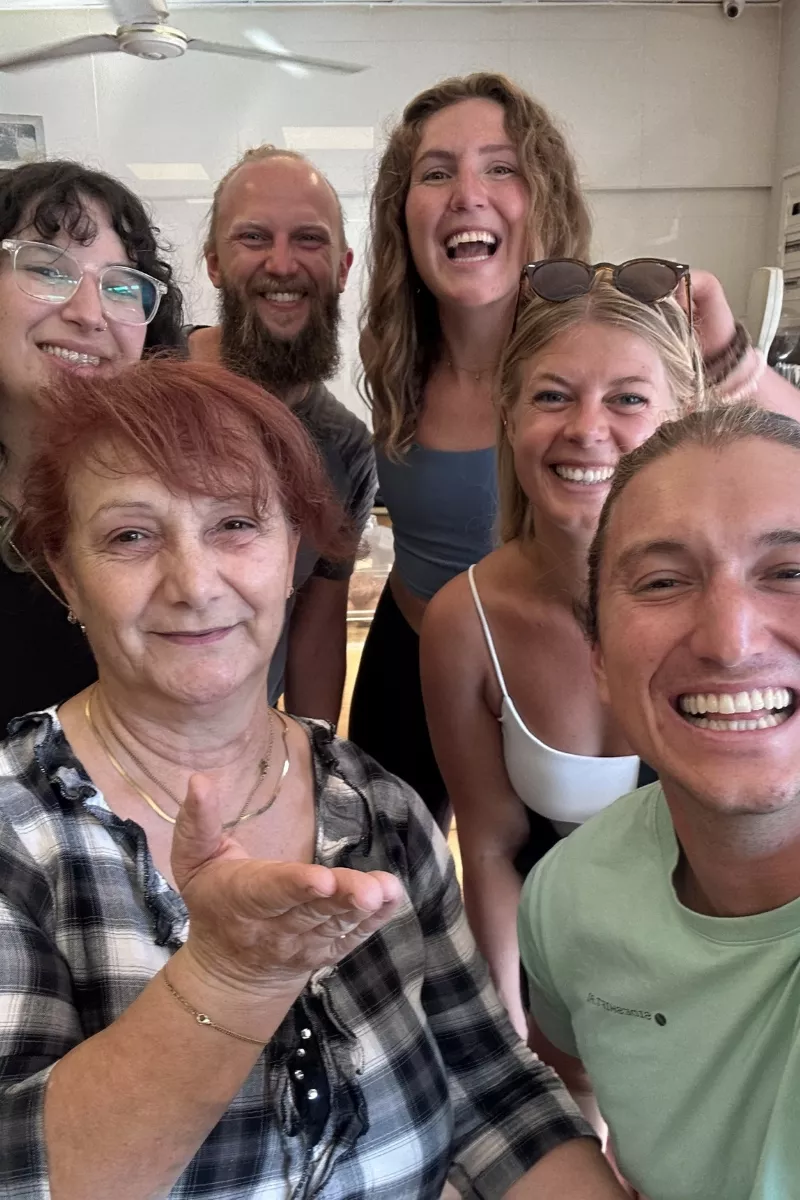
One of the most beautiful moments we’ve had while slowmading was after spending a full month in a small town in Greece, where we went to the same bakery a few times a day for our coffee.
By the end of it, the lady working there was calling us “our babies,” and she even put together a present for us when we left with a cute letter she had written out, translated, and printed from Google Translate.
This is something you’ll rarely get to experience if you’re fast-travelling.
Why the Slowmad shift is happening in 2026
Lately, we’ve been seeing a big shift in the digital nomad community where people are starting to slow down and travel deeper. Why is that?
First of all, it seems like when people first become digital nomads, they’re almost craving the same lifestyle as they were when they were backpacking through Southeast Asia in their backpack year.
So they try to keep the same pace, stay in hostels, go out partying, and travel super fast to check out and check off as many places as possible.
But after a while, reality hits, and they get to a burnout point. They realize they can’t keep up with this way of travelling for a long period of time – especially not while working. And that’s where life forces them to slow down.
This is where some people stop and say the digital nomad lifestyle isn’t for them, and where other people decide to become slowmads.
Why we decided to become slowmads


We started out in a similar way, actually. Our very first digital nomad trip was in May of 2019, when we were both new to working remotely.
We went to Croatia for a full month and managed to travel along the entire coast of the country, staying 3-4 days in each place (which we thought was slow).
It was super fun, but it was honestly pretty stressful too, and we really missed having a community of people. That’s when we started learning about these digital nomad hubs, but it was still a while till we learned to really slow down until the pandemic hit, and we were forced to stay in one spot for a long time.
I think in a lot of ways, the slowmad lifestyle is a result of the pandemic…
So many people were locked down just dreaming of travelling – and suddenly, “everyone” was able to work remotely, which opened up a whole new world for a ton of people.
Fast forward to today, some of these people have been digital nomading for five years, and have now gone through the same cycle as we (and a lot of other early nomads) have been through, and they’re craving more stability and a slow paced of life but wihtout having to return “home” or stop travelling.
This is where slowmading comes in.
Why people decide to slowmad
Let’s dive a bit deeper into why we are seeing this shift from fast-paced travel to slowmading…
Quality vs Quantity
Everything in life has cycles, and so does travel. In the digital nomad space, it’s felt like for a while it’s been all about checking off countries and trying to see as much of the world as quickly as possible.
You’d see it in people’s social media bios how many countries they’ve checked off. It really felt like a competition, and I truly believe that’s slowly coming to an end (no pun intended).
Remote work is normalizing
It’s 2026, and the remote working culture is growing day by day! More and more workers are requesting their employers to work remotely – or people decide to go the entrepreneurial or freelance route so they can decide for themselves.
You also see it in cafes where laptops are being normalized (or in some cases banned), Pop Up Colivings and new digital nomad communities are forming everywhere, and more and more countries have started launching digital nomad visas.
While this still isn’t a traditional way of life by any means, it’s becoming a lot more normalized.
Rise in long-term visas for nomads
I also like to think that another big reason people were always hopping from one country to another was that the infrastructure, such as digital nomad visas and long-term visas in countries, wasn’t a thing.
As of June 2025, there were 73 countries that offer digital nomad visas. That’s huge!
Colivings, coworkings, and communities are growing


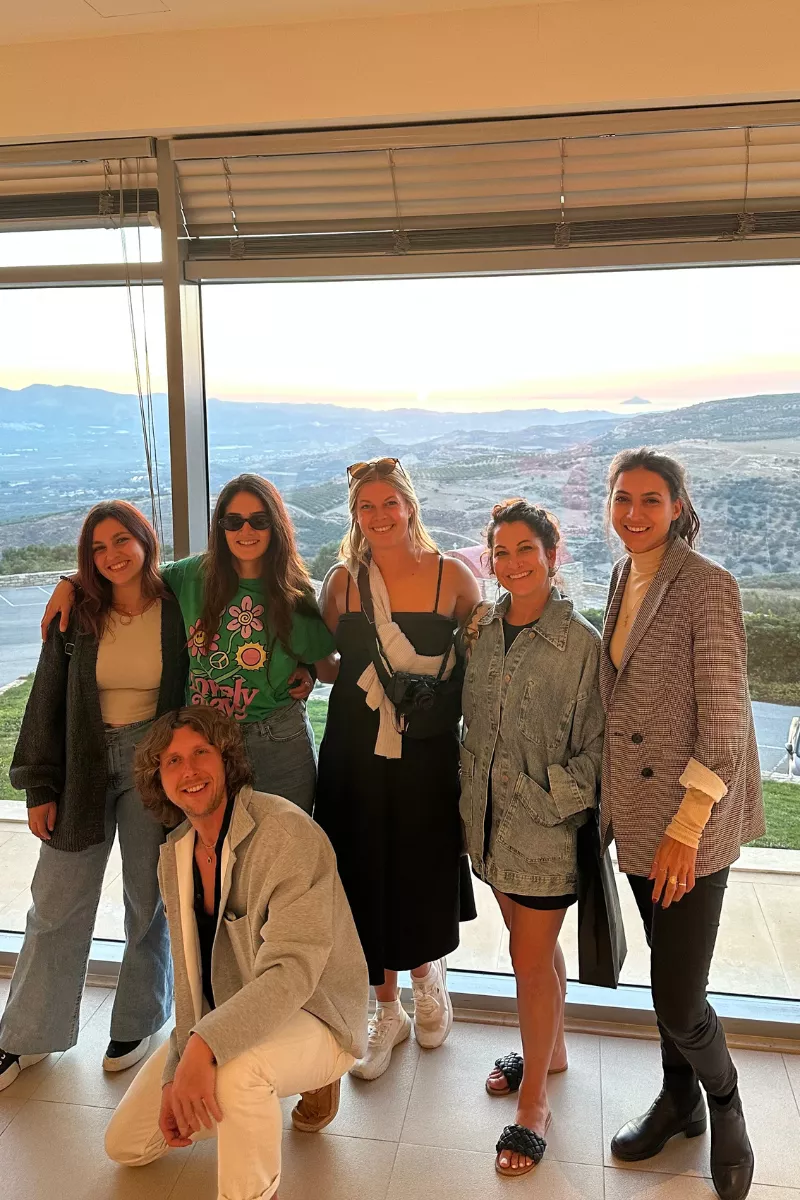
It is currently estimated that there are at least 40 million digital nomads worldwide, so it’s no surprise that there are a ton of colivings, coworking spaces, and communities popping up everywhere.
A perfect example is the town of Bansko, which has grown into a digital nomad hotspot over the past 6-7 years…
Matthias, the co-founder of Coworking Bansko (and now the founder of Coliving Semkovo), had a vision of creating a digital nomad hub at the foothills of the Pirin Mountains, and to this day, it’s a thriving community and place where slowmads find their home.
People have turned this town into their home base, while others (like us) make it a routine to come back to Bansko for a few months every single year.
There are also events like our Pop Up Coliving, Nomadico, Avnea, and others that offer month-long stays at their colivings, which are usually in more remote parts of countries where you really get to slow down and appreciate getting into a routine, learning the local way of life, and enjoying a more relaxed month while still getting a ton of amazing experiences.
These types of initiatives really give us nomads an opportunity to find communities in different places around the world, which really helps with slowing down.
Growing burnout from fast travel
As we mentioned earlier, this is one of those things every nomad goes through at some point during their travels. For some, it comes sooner than others, and some may never get it at all. But I’d say it’s a pretty common thing in the nomad space.
When you travel full time – especially at a fast pace – the burnout can become real.
In a lot of ways, it’s a luxurious and privileged problem to have, but always having to figure out your next destination, accommodation, routine, visas, and travel insurance can become quite exhausting.
This is where, if you can slow down a bit and spend some time in one place, you’ll notice the burnout start to disappear. Which then gives more room for healthy habits, creativity, more time with friends and other nomads.
Looking at some of these, you can really understand why there’s a shift towards a more slowmad approach to this lifestyle.
If people are planning to live this way for years to come, I see slowmading as the only real sustainable way to do it, to really enjoy and make the most of this journey.
Environmental awareness and sustainability
Speaking of sustainable… This is something a lot of nomads consider and keep in mind as we travel. For us, the world is our home, so considering the impact we make on the world is very important to us.
This goes beyond not using plastic straws and offsetting our carbon footprint by a few dollars when we travel.
Sustainability, in the eyes of a slowmad, also means supporting the local economy… Buying local, supporting small business owners, and being mindful of where we spend our money.
It also means not overpaying for accommodation so that you’re not outpricing the locals.
There are a lot of little things we, as digital nomads, can do to be more sustainable and responsible travellers – and our actions do make an impact!
One approach I love to talk about is the opportunities we have as digital nomads to have a positive impact on the places we go.
A lot of communities, colivings, and coworking spaces that are designated for slowmads are usually in more remote areas that can really benefit from having more people.
This is, for example, why we’ve hosted Pop Up Coliving in two remote parts of Italy and Greece. We rented hotels and houses that wouldn’t have been rented out that time of year anyway.
On top of that, we financially added to the local economy – from grocery stores, coffee shops, restaurants, to tour operators.
There are many ways a slowmad can aid sustainably during their travels, and it’s all about finding your way to do it.
We love travelling out of season and to more remote places where we really feel like we are welcome and where we can make a difference, only leaving a positive impact on the place and community.
Staying healthy while travelling

Another thing that’s really important for long-time digital nomads (and slowmads) is staying healthy and having access to good health care!
When we first started out, this was the least of our concerns. We got a cheap travel insurance and called it a day.
But having lived this lifestyle for +6 years, we couldn’t stress enough how important it is to take care of your physical and mental health. Without your health, it is very hard to sustain this lifestyle.
It wasn’t always easy to get global travel medical insurance, especially not when travelling long term, but today, plans such as SafetyWing’s Nomad Insurance Complete make global, long-term coverage possible.
Nomad Insurance Complete isn’t just an “emergency-only” plan; it’s a comprehensive global health-and-travel policy built for people who live abroad long term who want full health insurance with extra travel protections. It even covers you at home with no coverage restrictions!
Here are some of the things it covers:
- Medical treatment and hospitalization
- Lost checked luggage
- Motor accidents
- Trip interruption, travel delay & trip cancellation
- Doctor & specialist visits
- Visits with a psychologist or psychiatrist
…just to name a few.
Check out Nomad Complete by SafetyWing here.
Benefits of the slowmad lifestyle
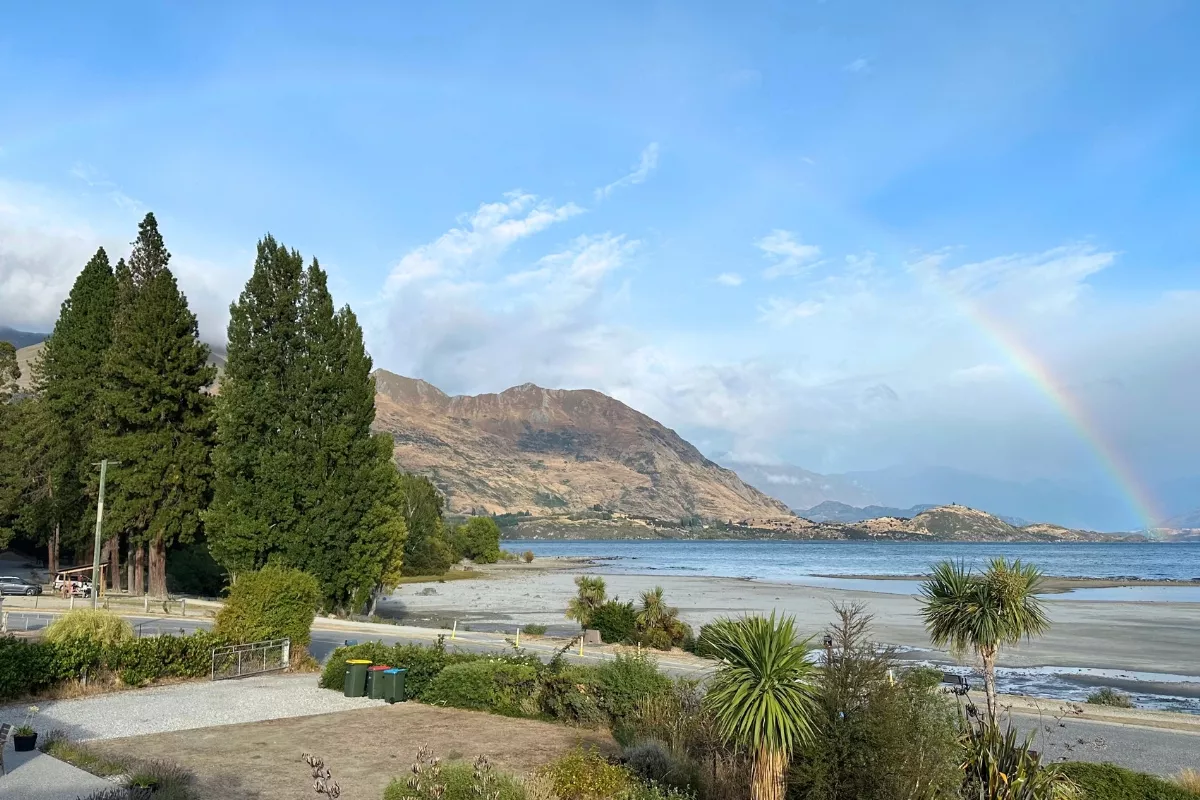
I feel like we could create a never-ending list of why moving forward, this is the best way to travel, as there are so many benefits to slowmading.
I personally believe once you start travelling this way, you’ll probably never go back (except for maybe a few holidays a year) because you’ll appreciate this way of travel so much.
#1 Cost savings from long stays
It’s crazy how noticeable the cost difference between quick travel and slowmading is. One of the bigger expenses is accommodation, and we always find much more affordable accommodation when staying in a place for a long period of time.
From finding locals who own properties to long-term stay discounts on platforms like Flatio, you save so much money.
As a slowmad, you also move around less, so you’ll save money on flights and other modes of transport. It’s crazy how noticeable the difference is in a year!
#2 Productivity and work-life balance
This is another thing that we’ve found changed hugely for us when we shifted to this slower travelling approach. Our productivity has skyrocketed because we’ve been able to focus on ourselves, work, and what we want to accomplish.
Lately, for example, we’ve been able to dive deep into growing our Instagram to a community of over 10k people, and we’ve even launched a digital guide & itinerary to Madeira. This is something we wouldn’t have had the time or mental capacity to do if we hadn’t slowed down a bit.
You feel like so much time to focus on the things you want to do and less time planning where you’re going next or future accommodation.
In reality, it might seem obvious, but when you’re in the thick of things, you sometimes don’t take a second to step back and realize this.
#3 Deeper social connections
We love this part of travelling, and it’s something that’s really hard to find when you spend only a week or two in one place, but having meaningful, social connections is one of the most important things to us.
We’ve created some amazing local and digital nomad friends by spending more time in one place, and it’s often the top reason why we travel to a place, because we know we’ll have friends there or will be able to find a community of like-minded people.
#4 Get a feel for the culture and people
Oftentimes, when you travel quickly, it feels like you’re just there to see the highlights and check off a bunch of things from your travel bucket list, and that’s it. We know it’s not always true, but it does sometimes feel that way.
For us, the true magic of travelling happens when you slow down and experience the day-to-day life.
One example that comes to mind from spending an extended period of time in one place is going to the local market regularly.
I’d go to the same lady and introduce myself, I’d ask to learn a new word or two every time, and over time, even though we couldn’t communicate much, I felt like I learnt a bit about her and the local way of life.
We’ve been to so many places where they say “oh, you don’t need to learn the language here” but trust us, it makes a huge difference in the experience you have and how you connect with the locals.
Starting the Slowmad journey


We’ve talked a lot about what slowmading is, what the benefits of it are, and why we think it’s the future of digital nomads. So now, let’s talk about how you can transition into this way of travelling.
I think one of the best things you can do when first transitioning into a slower approach to travel and nomading is to do some research and plan where the best place to go is.
Things to look for can be affordability and community, and then, you can start to look at coworking spaces, coliving spaces, and join the nomad groups in the destination.
Some places that come up are Madeira (lots of expats and slowmads), Bansko (lots of slowmads and returning nomads there), Sri Lanka (up and coming spot), and Chang Mai (one of the original digital nomad hot spots). You can even use resources like NomadList to find communities and hot spots.
There are also events like Pop Up Coliving that we host, and other coliving events that can really help you slow down and spend time in one place.
You’ll really notice a difference in your freedom, cultural understanding, and relaxation that come with this.
I’m currently sitting outside in the garden of a beautiful Italian villa that we’ve rented out for the month. It’s so nice having the time to sit down and focus and get work done. It’s really allowed creativity to flow and time to work on myself, and that’s truly the beauty of slowing down.
You may also like…
- The Ultimate Digital Nomad Guide to Greece
- What’s It Like Being a Digital Nomad in Madeira?
- The Ultimate Digital Nomad Guide to Sri Lanka
- Is SafetyWing the Best Travel Insurance for Digital Nomads?
- 7 Benefits of Coworking Spaces and Why We Love Them
Conclusion of why slowmading is the future of travel

I truly believe this isn’t the next trend, but this is a response to the fast-paced travel life we’ve been living as digital nomads. Transitioning into slowmading will give us full-time travellers more purpose and more connection with our surroundings.
We’ve been searching for this for the past few years, and even though the full year isn’t like this (especially as travel bloggers who sometimes “have” to travel around a bit more for work), we get periods throughout the year when we get to slow down for longer periods of time – and it’s amazing.
We hope this post is insightful and gives you some ideas on how to travel moving forward. If you’re planning to travel long-term and see the world in a deeper way, this is the way to do it!
If you’re looking for inspiration for places to travel to in order to slow down (or anything related to slow travel, from which travel insurance to get to where to find your accommodation), we are more than happy to help.
Just leave a comment below or send us a message on Instagram, and we’ll get back to you!
📍 Save this post for later & share it with a friend


Good choice, I also switched to Slowmading many years ago.
The woman in the bakery called you “my babies”? Greek people so warm love it, they’re the best. 😂
Hey Jonas,
Haha yes, it was so funny! She was so sweet and we miss her so much. Slowmading is the only way to go!
-Jo
Thank you for this informative article. You have shared some things that I have not read about on other blogs. I am planning to start traveling in early 2026 on my own and have been looking for information on safety, affordability and best places to go. I hope I can become as free as you are, one day. Thank you!
Hey Reena, thank you so much for saying that! I’m glad to hear it helped 🙂
You’re always welcome to reach out if you have any specific questions about travelling full time.
Best of luck on your endeavours!
– Josie