Everything You Need to Know Before Visiting Canada for the First Time (9 Helpful Tips)
Canada is one of the most beautiful countries in the world, but there are a lot of things that go into visiting a new country!
As a Canadian, I’ve seen plenty of travellers show up unprepared for everything from the weather to tipping culture.
I think one of the biggest things people don’t understand is how massive Canada actually is. It’s one of the many things that can surprise a first-time visitor.
So before you plan your road trip, vacation, or once-in-a-lifetime trip to the Great White North, here’s what you need to know for a smooth and unforgettable trip.
In this post, we cover everything from having the right entry documents, when you should start planning your trip and other unique things you may not know about Canada!
Disclaimer: This post contains affiliate links which means if you decide to use the links and make a valid purchase, we will receive a small commission at no additional cost to you. Thank you for your support!
Everything you need to know before visiting Canada
Don’t have time to read the entire post? Here are the most important takeaways
📄 Double-check if you need a visa or eTA & apply before you go
🛂 Make sure your passport is valid for 6 months after leaving Canada
🗺️ Don’t underestimate the size of the country
🗓️ Plan in advance and book accommodation early (especially during peak season)
🌤️ Be prepared for all sorts of weather + pack extra
✈️ Make sure you have good travel insurance
Entry requirements for Canada
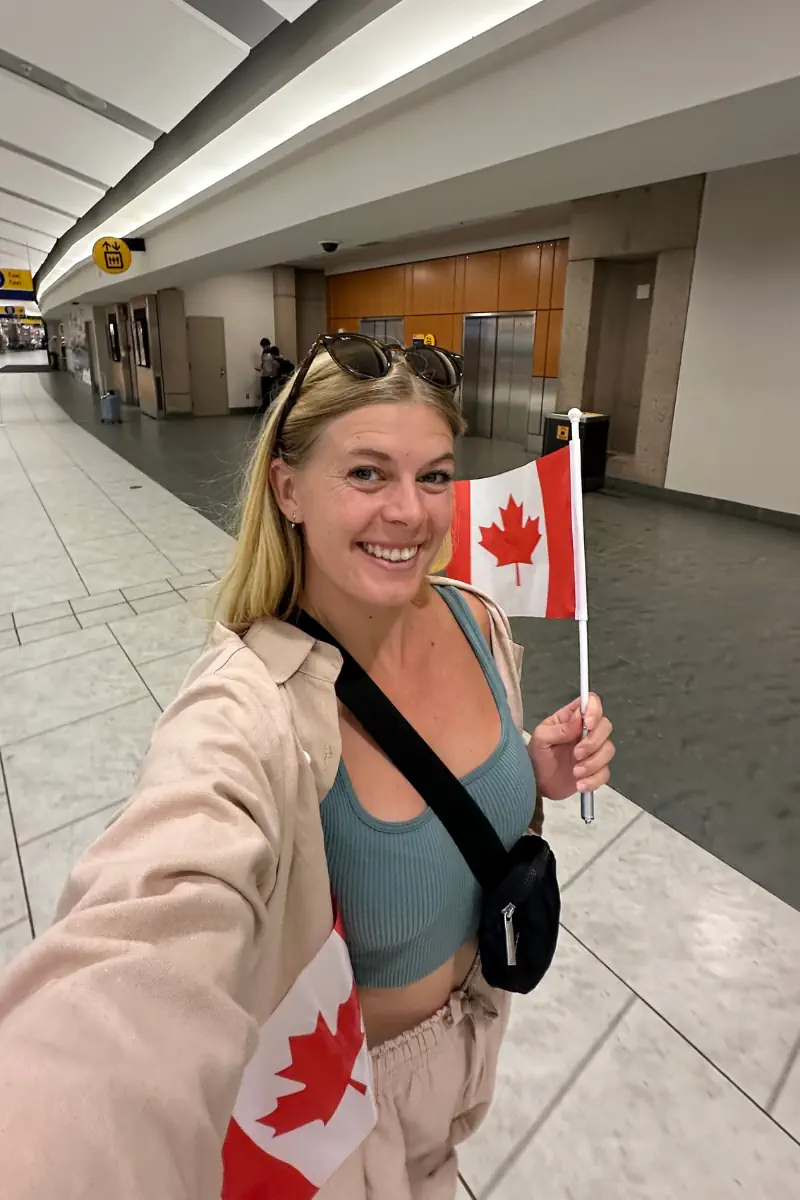

Let’s be honest, looking into visas and eTAs is probably the least fun part of planning a trip anywhere, but it has to be done…
Josie is always the one looking into this for us, and to be honest, whenever I do it, I always find it easier to navigate a platform like HandyVisas, where you simply put where you’re from and where you’re going, and it tells you exactly what type of visa or eTA you need for the given country!
For Canada, most citizens just need an eTA that lasts for 5 years, but you can check what is needed for your citizenship here.
Also, this might go without saying, but make sure your passport is valid for the entire duration of your time in Canada! (It is also strongly recommended that it is valid for at least 6 months after your planned departure date).
Canada is massive
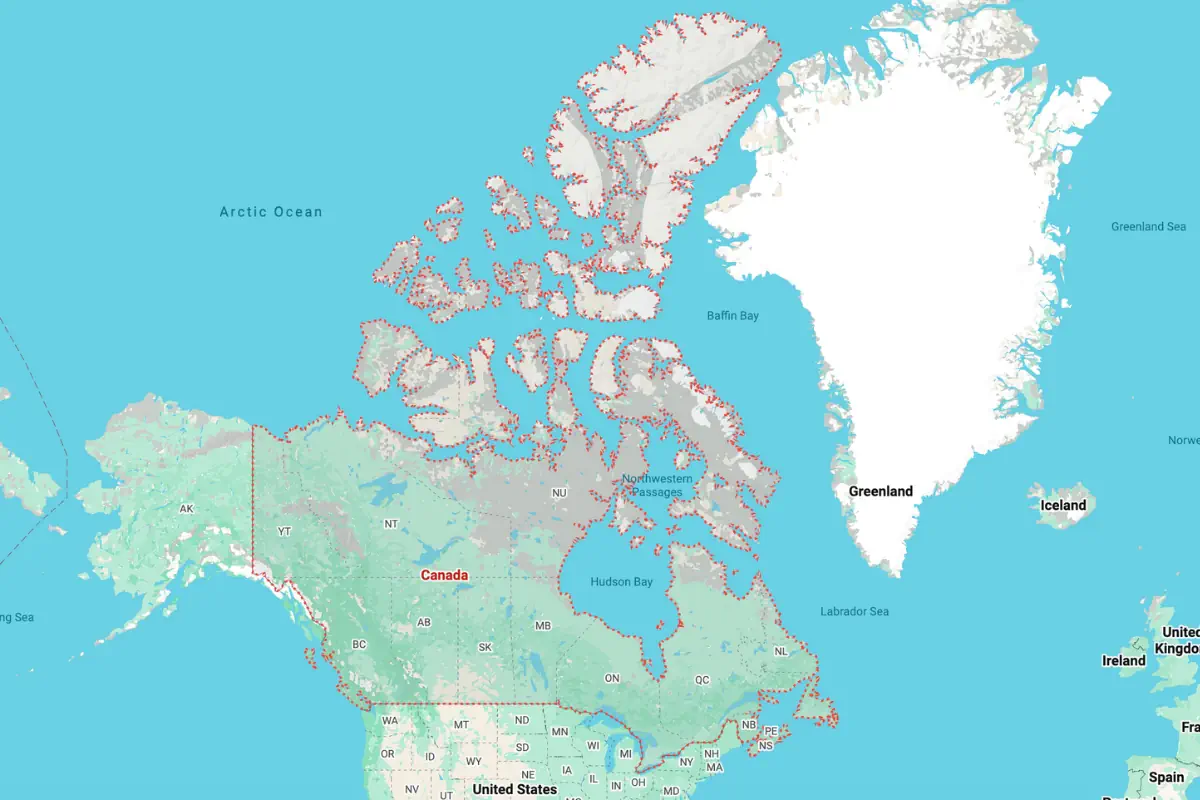
Canada isn’t big, it’s huge! A wild and fun stat is that Europe is only about 2% bigger than Canada in land area.
According to the United Nations, there are 44 countries in Europe – and Canada, as a single country, covers basically the same land mass. That’s wild!
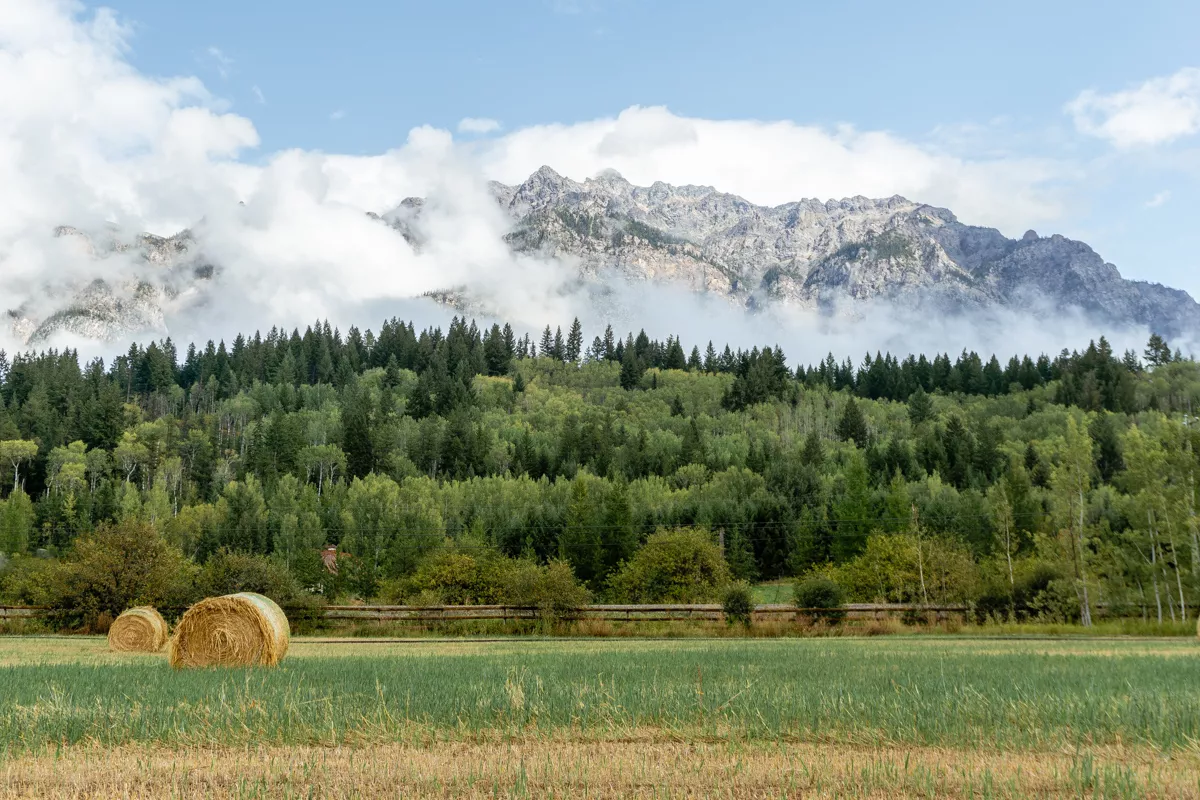
Most of Canada is wilderness and untouched nature, which means only so much of it is ever explored. It’s usually why people stick to a couple of main regions instead of trying to cross the entire country in one go.

If you’re visiting Canada for the first time, pick one area you’re excited about, fly into the nearest airport, and road trip from there. Don’t try to “see it all” in one trip (it’s impossible).
Trust us, you don’t want to spend your whole vacation driving across endless highways (there are some long, boring stretches of highway out there).
For context, Calgary to Toronto is 3,418 km apart, which is a 4-hour flight or a 32-hour drive (without breaks!). And that’s nowhere near the longest domestic flight in the country!
If you plan on exploring multiple regions, look for affordable domestic flights to save yourself days of travel time.
Weather prep for Canada


This is a tough one to prepare for – again, because of the sheer size of the country. It can feel like late fall in Quebec, but feel like it’s still summer in small town Revelstoke in BC.
Even if you’re visiting during peak summer or peak winter, I would definitely plan to bring some clothes you wouldn’t expect to wear because the seasons can change quickly.
Also, if you’re going hiking in the summer (for example, in Banff or Kananaskis), there can still be snow at the peaks, and the weather can change quickly in the mountains. So pack extra layers!
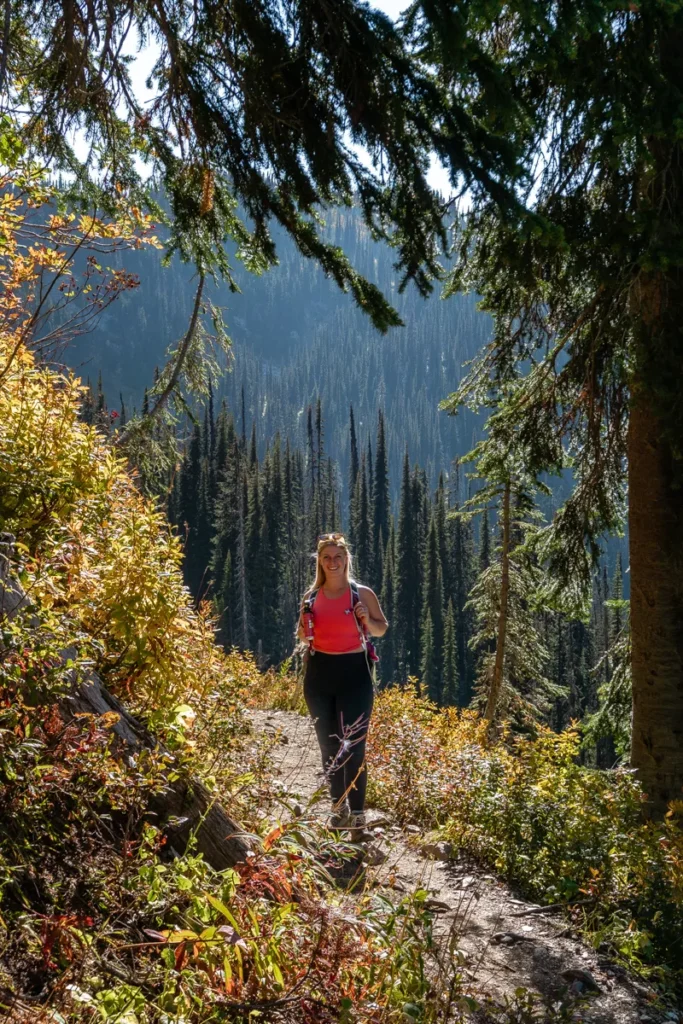
🍁 Fall (Autumn): September to November 🍁
- Average temps: 5°C to 15°C (41°F to 59°F)
- Crisp air, colourful foliage
- Cooler evenings (pack layers)
- Can get chilly and snowy by November in many regions
- Best for: fall colours in Ontario/Quebec, hiking in the Rockies before winter hits, or fall adventures in Revelstoke
This can change quite a bit in different parts of Canada, especially when you’re in more mountainous areas.
It’s also one of the best times to visit mountain towns such as Revelstoke, Golden, Canmore, and Banff! ⛰️
❄️ Winter: December to February (sometimes into March) ❄️
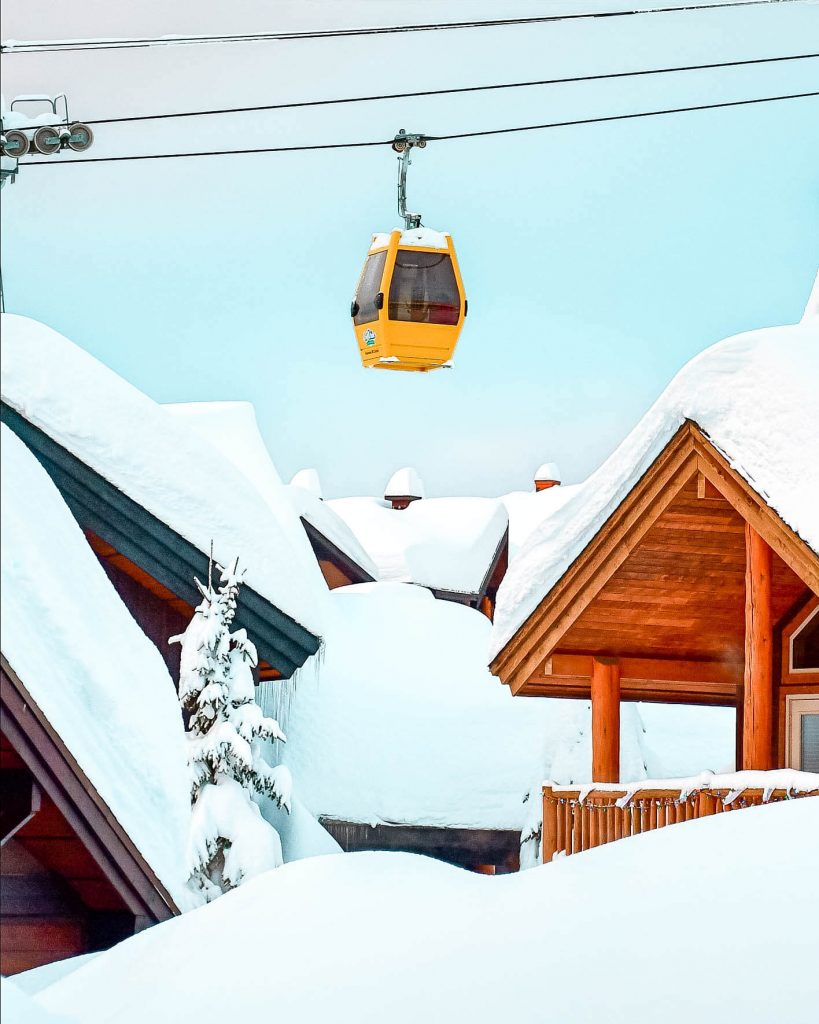
- Average temps: -5°C to -25°C (23°F to -13°F)
- Interior/mountain regions are often much colder, especially at higher elevations
- Snow is common almost everywhere except parts of coastal BC
- Best for: skiing/snowboarding, northern lights, winter festivals
Important note: In places like Alberta, Manitoba, Saskatchewan, and the territories, -30°C (−22°F) isn’t unusual for 1-2 weeks sometime during the winter months.
One time when Dom was a kid, Calgary was the coldest place on earth, and even the penguins at Calgary zoo had to be moved inside! So it can get pretty darn cold! 🐧🥶
🌸 Spring: March to May (sometimes early June) 🌸
- Average temps: 5°C to 15°C (41°F to 59°F)
- Can be muddy + unpredictable
(rain, late snow, or warmth… all possible)
- Cherry blossoms in Vancouver & Toronto in April–May
- Best for: visiting some of the major cities, cheaper travel before the summer crowds arrive, chasing waterfalls
☀️ Summer: June to August (sometimes early September) ☀️
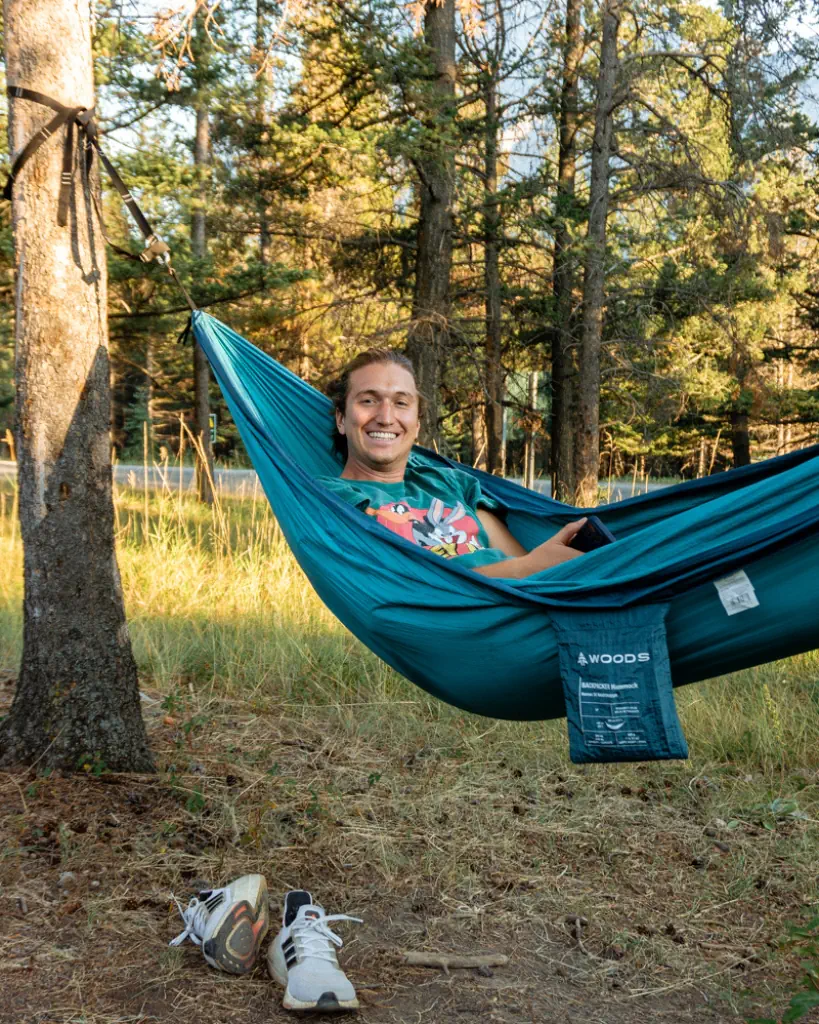
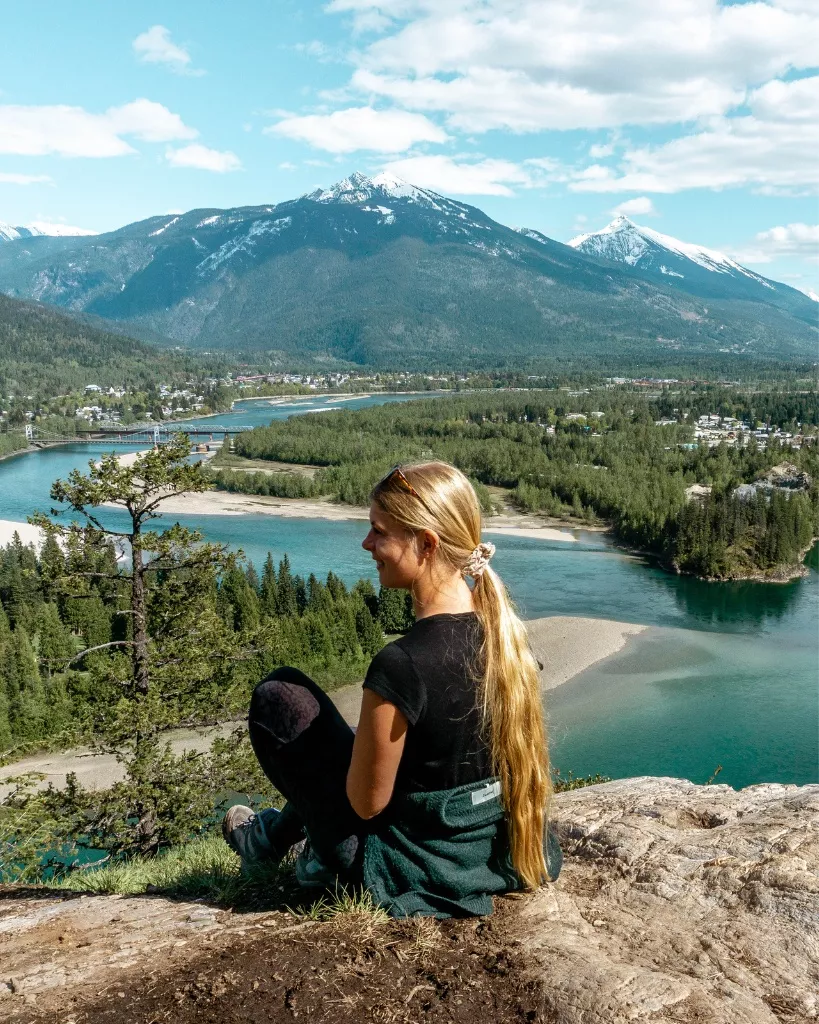
- Average temps: 20°C to 30°C (68°F to 86°F)
- Hot and humid in central/eastern Canada
- Mountain & coastal areas stay cooler
- Peak season for travel → book accommodation early
- Best for: hiking, national parks, lakes, camping, festivals
This gives you an idea of the different seasons in Canada and what to prepare for when visiting during a specific time of year. Regardless of what time of year you plan to visit, we’re sure you’ll have a wonderful time!
Tipping culture and taxes in Canada


In Canada, tipping and Goods and Services Tax (GST) are normal things to pay for when it comes to shops and restaurants.
From going to a hairdresser to a lunch at a restaurant, it is customary to tip on the service and is almost expected. I’m not going to get into whether I agree with this practice or not, but more to inform you what is normal here in Canada.
For example, it’s “expected” to tip anywhere from 15-25% at a restaurant or cafe. Personally, unless the service is exceptional, I will not tip more than 15-18%.
There are also places where you go and order a takeaway coffee, and when you go to pay, it asks if you want to tip. In these cases, I usually do not tip, as there is no need to, but this is up to you in your discretion.

Another thing you may not know is that when you go to the grocery store or really anywhere and go to pay for an item, there’s going to be an extra tax you have to pay on top of that.
The price you see, you will pay slightly more, and that depends on the province you are in. For example, Alberta has a 5% GST tax that you pay on top of everything, whereas BC has a 7% PST tax and a 5% GST tax, totalling at % 12%.
And unlike in Europe, GST is not included in the shown price – it is added at checkout. So if you see an item for $100, for example, you will be paying $100 + GST at checkout. In Alberta, the total would be $105, and in BC, the total would be $112!
Budget realistically for Canada
Canada might surprise you when it comes to costs for most things. Accommodation and food can get very expensive – especially in larger cities like Vancouver or Toronto, but also in small touristy towns like Banff and Whistler.
On top of that, the tax and tips aren’t included in the price like we mentioned, so expect the total to be a bit higher when you pay.
To give you an idea of average costs:
- ☕ Coffee: $3-5 CAD
- 🍽 Restaurant meal: $20-35 CAD per person + tips
- 🏨 Standard hotel: $150-300 CAD per night (even higher in peak summer in the Rockies)
- 🚘 Car rental: Starting at $32 CAD per day (more during peak season)
- 📑 Travel insurance: $2 USD / day with SafetyWing
The good news? Some of Canada’s coolest experiences are completely free, such as visiting glacial lakes, seaside sunsets, mountain viewpoints, and endless hiking trails. If you need inspiration, we have a list of awesome hikes to do in Kananaskis (near Canmore) and a list of hikes in Revelstoke, BC.
Personally, I think the main reason people should visit Canada is for its beautiful outdoors. Once you have the Canadian National Parks Pass ($75-150 CAD), there aren’t many other expenses you need to enjoy nature in this beautiful country.
Money-saving tip: If you’re exploring the Rockies or Vancouver Island, renting a campervan or staying in campsites can be a budget-friendly and adventurous alternative. Just book early in summer, as spots fill up fast!
Beware of and respect wildlife

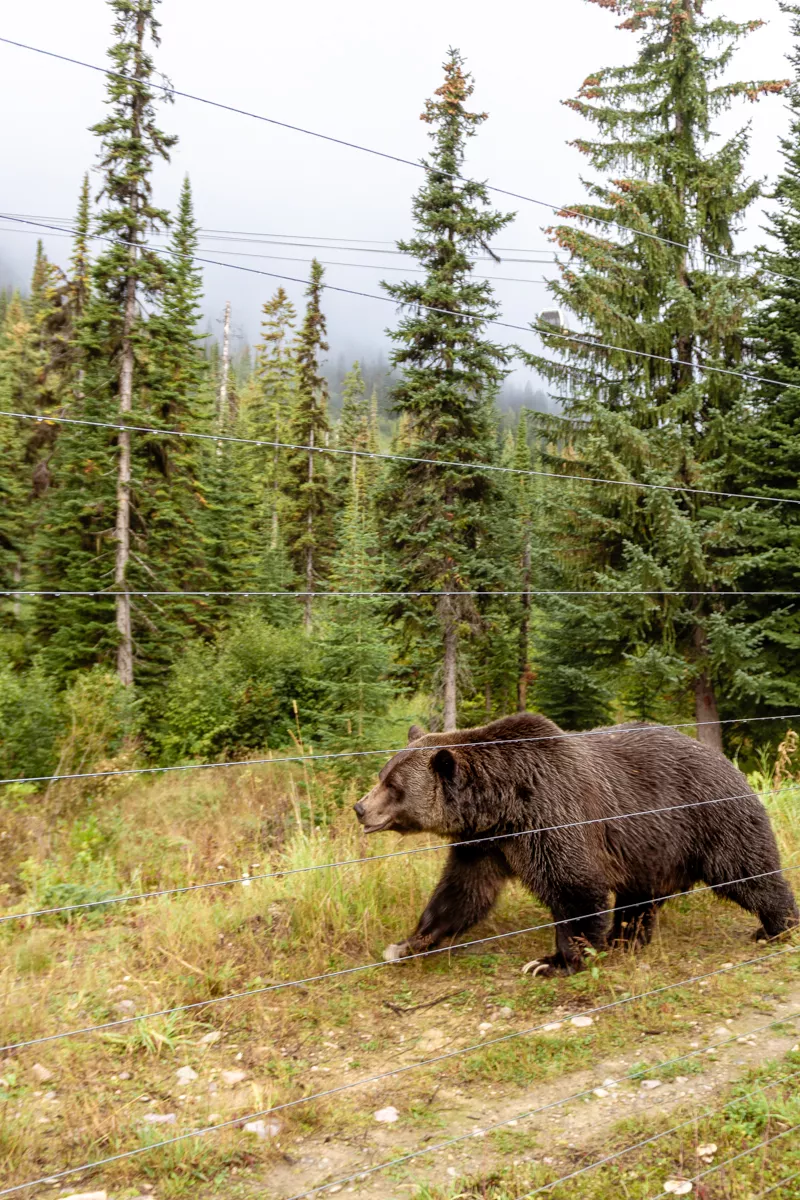
Canada has some pretty famous animals you’ll hopefully see during your visit over here. From moose, deer, elk, to the famous grizzly bears that everyone hopes to see from a distance during their trip to Canada.
Seeing wildlife here is magical, but remember, these animals actually live here. We’re just visiting! One of the coolest experiences you can actually do where you learn about Grizzlies is in Golden, BC at the Kicking Horse Mountain Resort, where you can meet Boo the Bear!
If you’re hiking, do your best to keep a safe distance, make noise on trails to let wildlife know you’re around, and never feed animals (even if that chipmunk asks nicely).
Another big thing is driving in Canada in areas with wildlife. Be careful, take it slow, and be aware of the deer and moose that can be on the roads, especially around dawn and dusk.
As travellers, it’s things we should do all around the world and not just in Canada, but do your best to respect nature, give animals space, and hopefully you’ll leave Canada with some amazing stories!
Local tip: Check Parks Canada’s website or the local visitor centres for up-to-date wildlife safety info before hiking or camping. We usually go check out the visitor centres in the area where we are to get some local knowledge and maybe find a hike or two we wouldn’t have found otherwise.
We’re a bilingual country

Canada has two official languages: English and French. I am forever grateful that my parents (Dom) put me in a French immersion. Growing up in a very English-speaking part of the country, but having French in school feels like it gave me the best of both worlds.
Let’s be honest, as a kid, I wasn’t a fan and always wanted to be in the English-speaking school where most of my soccer friends attended, but now I look back and I am very grateful my parents put me in French Immersion.
Even though Canada is bilingual, some regions are more French-speaking and others are mainly English-speaking. If you’re heading to Quebec, you’ll definitely notice the switch.
You’ll see French on road signs, menus, and even in the grocery store. Don’t worry, most people in the travel industry speak English too, but dropping a bonjour or merci will definitely earn you a smile.
Even outside Quebec, you’ll find pockets of French-speaking communities across the country, but they are much smaller.
It’s a big part of Canada’s culture and identity that we are bilingual, and we are very proud of it! Everything from airports, national parks and government will all be in English and French!
National Park Passes and recommendations


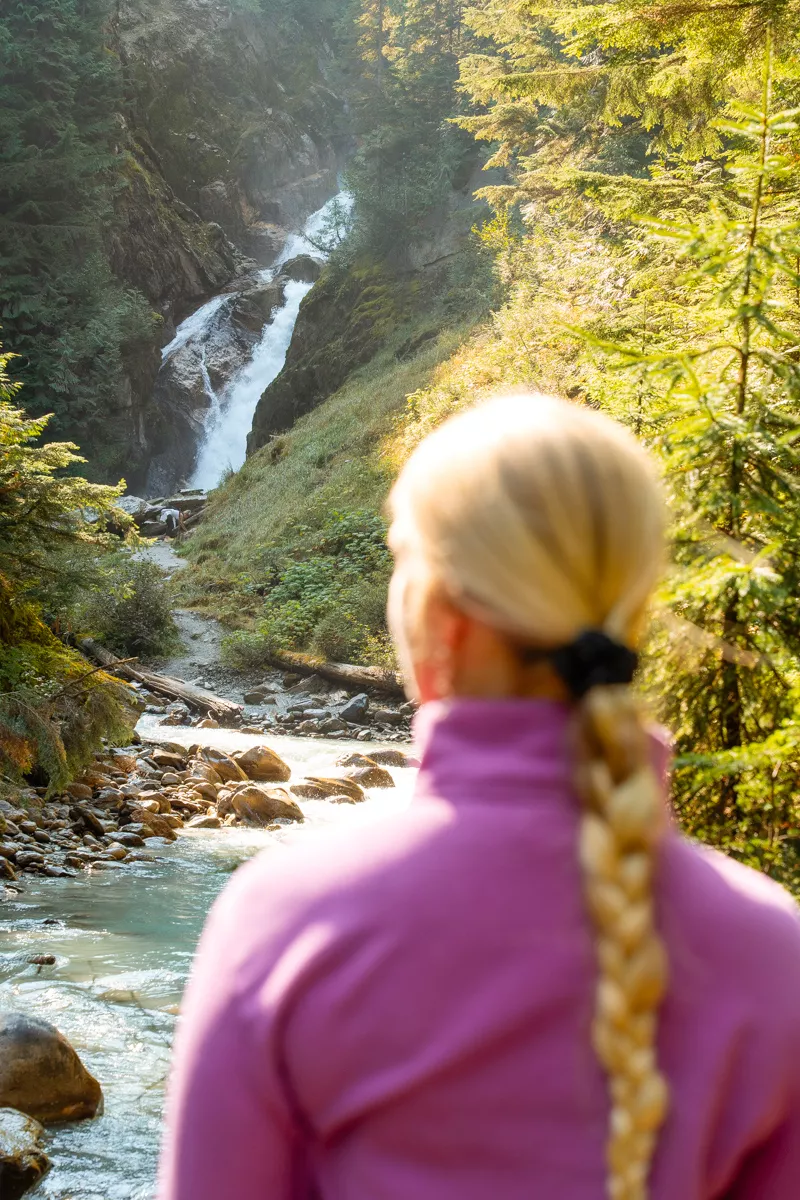
Speaking of National Parks, if you plan to check out some of the most beautiful places in Canada during your visit, it might be worth getting a yearly pass.
You’ll need a Parks Canada Pass to enter all national parks in the country. You can grab one when you arrive if it’s just for the day, but if you’re exploring for a few days or multiple times over a longer period of time, the Discovery Pass will save you a bunch of money.
The nice thing about the Discovery Pass is that you don’t need to queue up in the long lines, especially during the summer months.
Local tip: If you’re visiting Banff or Jasper in peak season, look into shuttle services for places like Moraine Lake & Lake Louise, as parking is extremely limited. Go with the Parks Canada-operated services if possible, as these are often a fraction of the price.
Staying connected in Canada
Free Wi-Fi is easy to find in cities, coffee shops, and hotels (use a VPN while on public wifi to protect your data!), but once you’re out in the mountains or smaller towns, don’t be surprised if your connection disappears.
I know Canada is huge, but I was surprised by how poor some of the cell coverage is. I remember hiking Ha Ling Peak, only a few km from Canmore and in the town we had a reception and as soon as we got out of the town, there was none.
If you want to stay connected, get an eSIM for your trip! It’s so much easier than getting a physical SIM + way cheaper than using your phone plan from home. This is the eSIM we use and recommend.
Recap of what to know before visiting Canada
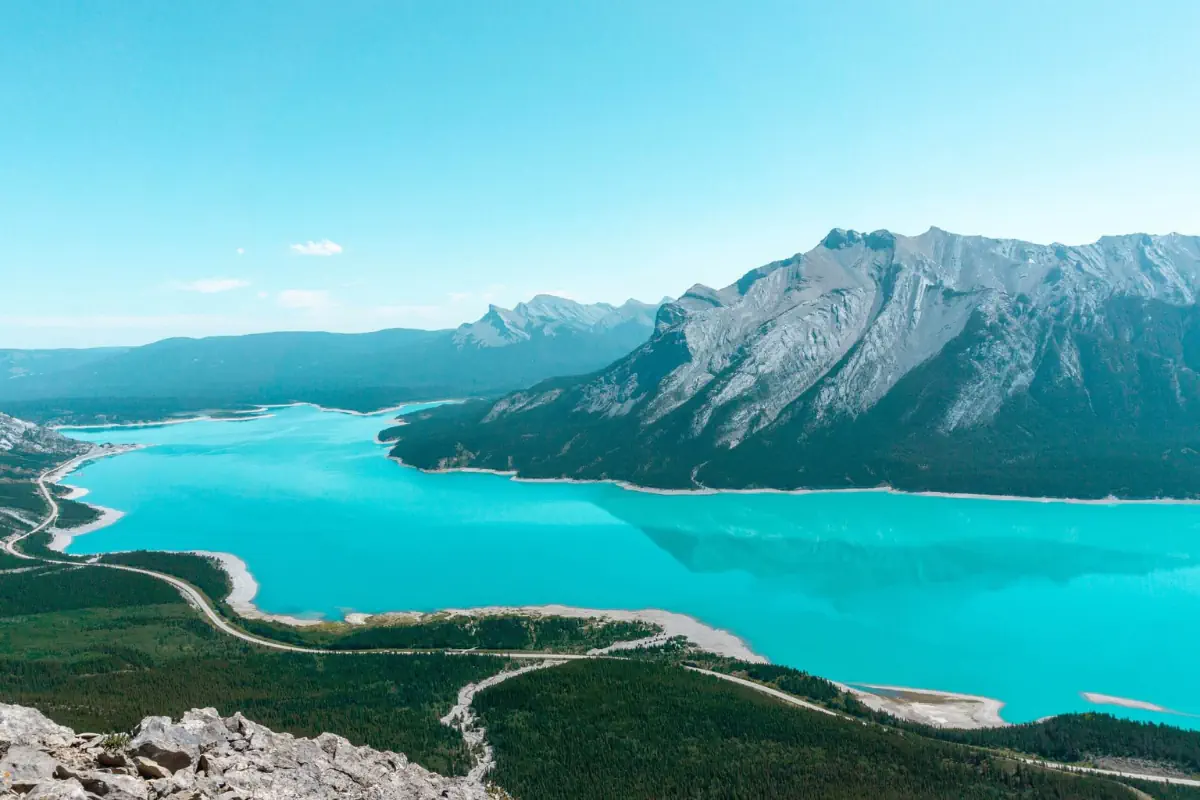
We hope you found this post helpful. Some of these things are practical, while others are cultural, but they’ll all help you plan and prepare for your trip to the Great White North!
We’d love to hear about your experience here in Canada and where you end up going. I mean, it’s a huge country, and there’s a good chance you’ll explore a part of Canada we’ve never been to before.
Feel free to DM us on Instagram @redwhiteadventures or leave a comment below.
Have an amazing time in Canada!
Want more Canada inspiration? Check out these posts:
⛰️ 11 Unique Small Towns in BC You Need to Visit ⛰️
🍁 Visiting Revelstoke in the Fall: Hiking, Hot Springs & Local Events 🍁
🧡 18 Fun Things to Do in Golden, BC in Summer 🧡
🏩 The 5 Best Hotels in Banff, Alberta (2026) 🏩
🦖 3 Days in Drumheller: The Perfect Itinerary for the Badlands 🦖
📍 Save this post for later & share it with a friend